Roofing Problems We See Most in Cranston
Cranston roofing splits by neighborhood. The eastern side is dense postwar housing, mostly capes and ranches built in one push during the 1950s. Whole streets hit the end of their roof life within a few years of each other.
Capes bring a specific problem. Low eave height and finished attic space leave almost no room for airflow above the insulation. Without a vent path, a Cranston cape roof runs hot and the shingles give out early.
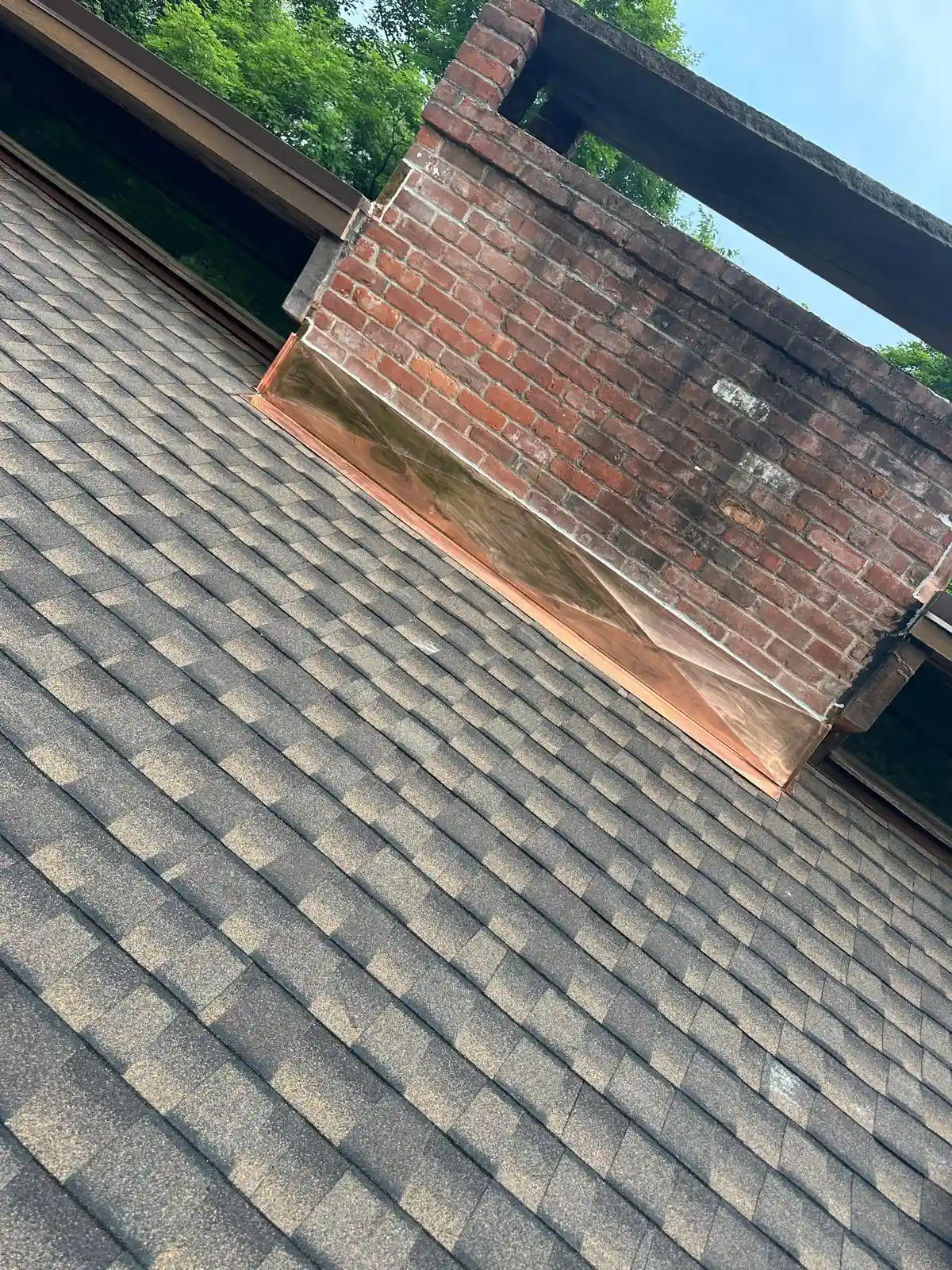
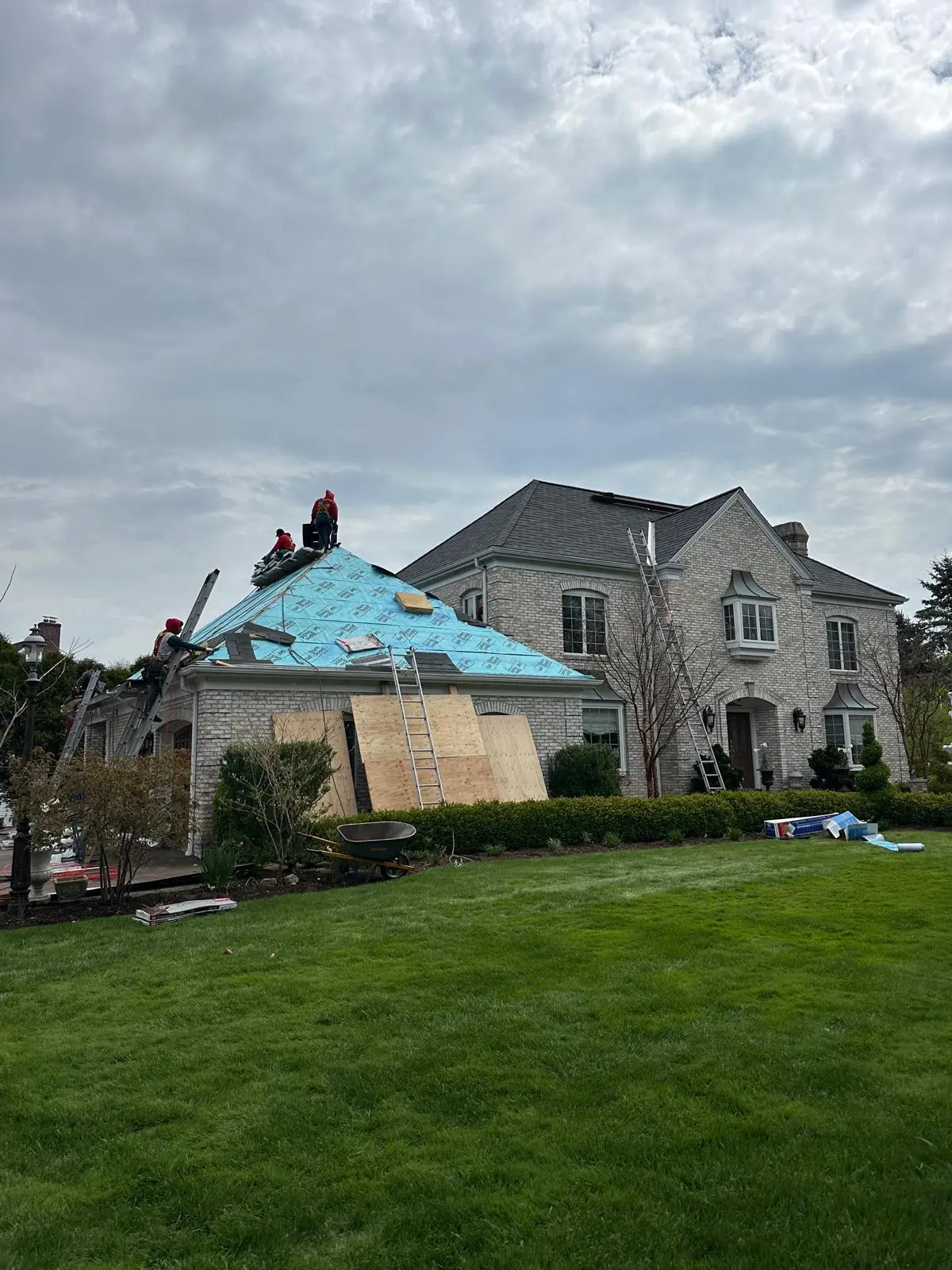
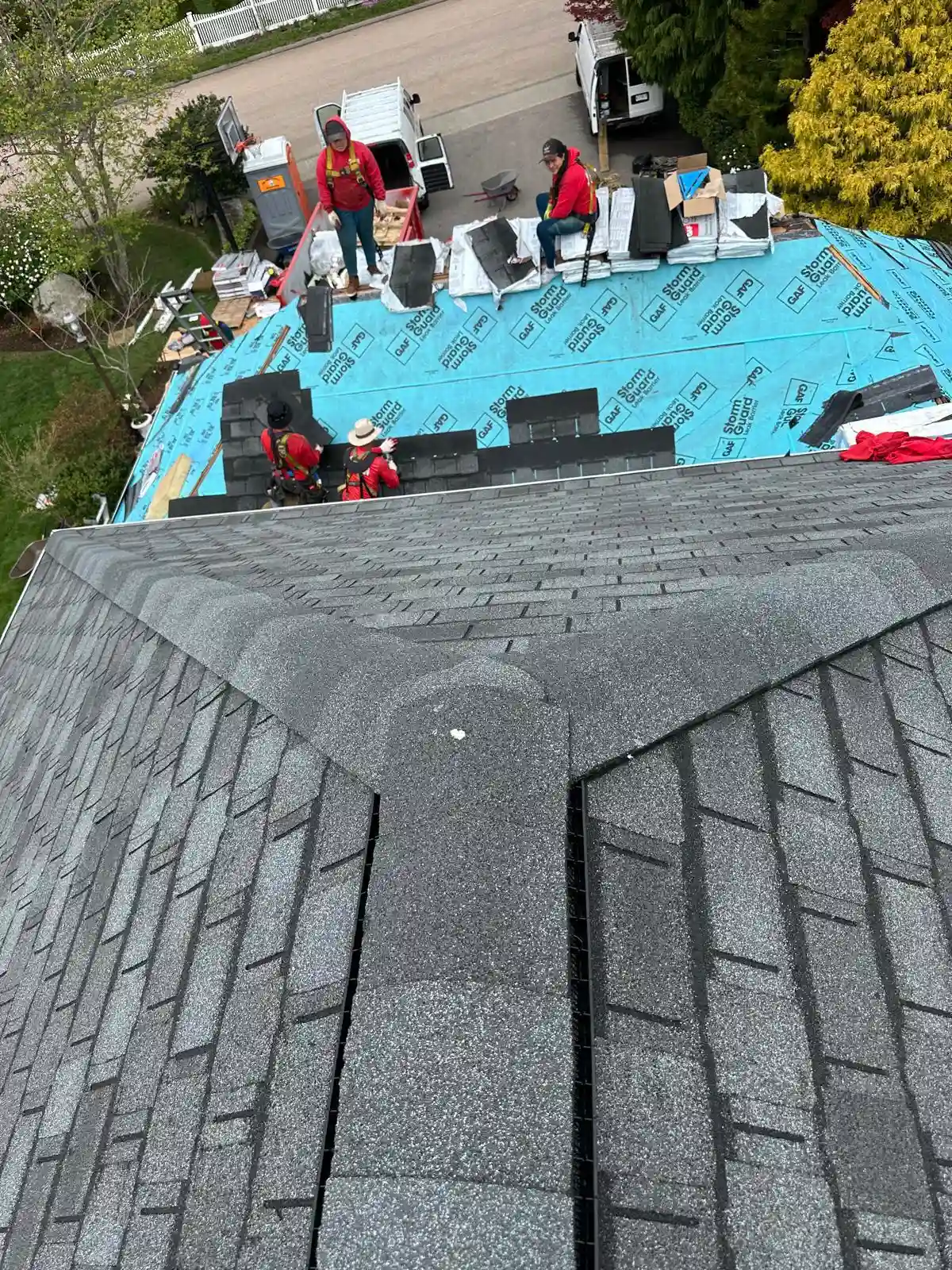
Western Cranston is a different picture. Larger newer homes with complex rooflines, more valleys and more flashing points, which means more places for water to find a way in.